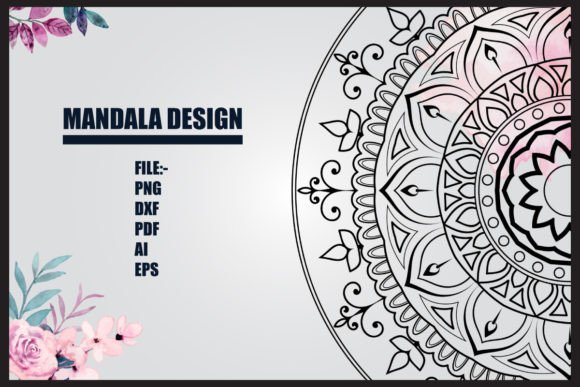
Mandala Design for Coloring Book: Strategic Use in Creative and Business Applications
Mandala design for coloring books has evolved beyond a simple pastime. It represents a powerful tool that can be strategically integrated into various creative and business applications. From meditation posters to fashion designs, mandalas offer a unique blend of visual appeal and symbolic meaning that can enhance branding, marketing, and personal development initiatives.
Understanding Mandala Design for Coloring Book
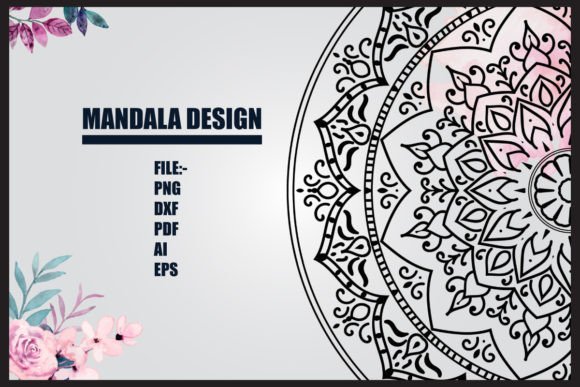
A mandala is a circular pattern that symbolizes unity, wholeness, and balance. When used as part of a coloring book, it provides an engaging and meditative experience. These intricate patterns are not only visually stunning but also serve as a medium for self-expression and mindfulness. The strategic use of mandala designs can bring depth and intentionality to your projects, whether you're creating adult coloring pages or designing promotional materials.
The versatility of mandala designs allows them to be adapted for multiple purposes. They can be transformed into tattoos, henna art, mehndi designs, arabesque patterns, floral motifs, and more. This adaptability makes them ideal for a wide range of industries, including fashion, publishing, event planning, and graphic design.
Strategic Applications in Business and Creativity
For entrepreneurs and marketers, mandala designs can serve as a unique way to differentiate products and services. Incorporating these designs into business cards, greeting cards, wedding invitations, and gift vouchers can create a memorable brand identity. The calming nature of mandalas can also support customer experience by evoking feelings of relaxation and focus.
In the realm of education and professional development, mandala-based activities can be used to improve concentration and reduce stress. Educators and trainers can incorporate mandala coloring into their curriculum or workshops to promote creativity and mindfulness among students and professionals alike.
Freelancers and creators can benefit from using mandala designs in their portfolios or as background elements in digital content. These designs add aesthetic value while also reflecting a deep understanding of symbolism and visual storytelling.
Practical Integration and Planning Tips
Before integrating mandala designs into your projects, consider the following factors:
- Target Audience: Are your designs intended for adults, children, or both? This will influence the complexity and style of the mandala.
- Project Goals: What do you hope to achieve with your mandala design? Is it for branding, meditation, or artistic expression?
- Context and Medium: Will the design be printed on paper, used digitally, or applied as body art? Each medium may require different considerations in terms of resolution and file format.
- Consistency: Ensure that the mandala design aligns with your overall brand identity and visual language.
When planning to use mandala designs, start by defining clear objectives. Whether you're creating a line of adult coloring books or designing promotional materials, having a clear vision will help guide your choices and ensure that your final output meets your expectations.
Choosing the Right Files for Your Projects
To ensure high-quality results, it's important to choose the right file formats. Mandala design files come in various formats such as AI, EPS, DFX, PNG, and PDF, all of which are suitable for different applications. For print-ready projects, a resolution of 300 dpi is recommended to maintain clarity and detail.
The flexibility of these files allows you to adjust the size according to your needs, making them compatible with cutting machines and other production tools. If you encounter any issues with the files, don't hesitate to reach out for assistance. A reliable support system ensures that your project stays on track and meets your standards.
Risks and Considerations
While mandala designs offer numerous benefits, there are risks associated with using them without a clear strategy. Without proper planning, mandalas can become generic or overused, leading to a lack of impact or relevance. It's essential to understand the context in which you're using the design and how it contributes to your overall goals.
Additionally, the complexity of mandala patterns may not be suitable for all audiences. Simplifying the design or providing guidance on how to color it can help ensure that the end result is both aesthetically pleasing and meaningful to the user.
Maximizing Value Through Intentional Use
To maximize the value of mandala designs, use them intentionally rather than randomly. Consider how each design contributes to your message, brand, or purpose. For example, a mandala with floral elements could be used to represent growth and renewal in a marketing campaign, while a geometric mandala might convey structure and precision in a corporate setting.
Experiment with different variations and styles to find what resonates best with your audience. By approaching mandala design with a thoughtful and strategic mindset, you can unlock its full potential and create impactful, meaningful work.
Whether you're an entrepreneur, marketer, designer, or hobbyist, mandala design for coloring books offers a versatile and valuable resource. With the right approach, it can enhance your creative projects, support your business goals, and provide a meaningful experience for your audience.